
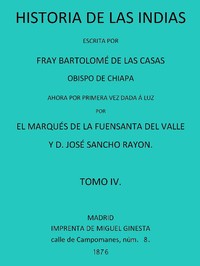
Historia de las Indias (vol. 4 de 5) by Bartolomé de las Casas
This isn't a novel with a clean plot, but the 'story' here is the radical transformation of a man and his mission. Bartolomé de las Casas arrived in the Americas as a settler and priest. In earlier volumes, he described the initial conquests. Now, in Volume 4, the scale of the tragedy is fully dawning on him. The book chronicles the systematic expansion of Spanish control—the establishment of encomiendas (a system that granted colonists native labor), the spread of diseases, and the relentless push for gold and territory.
The Story
Las Casas acts as a relentless investigator. He travels, listens, and documents. He details specific expeditions and the brutal practices of well-known conquistadors. The narrative is driven by his growing outrage. He shifts from a chronicler to an advocate, meticulously recording atrocities not for a dry history, but as evidence for his appeals to the Spanish crown. He's arguing that the indigenous people are rational, human, and entitled to justice under both divine and natural law. The central tension is between his desperate pleas to the King and the grim reality unfolding an ocean away.
Why You Should Read It
You should read this because it's history without the polish. This is a primary source screaming off the page. Las Casas's anger, his guilt (he once held encomiendas himself), and his moral clarity are palpable. It forces you to sit with uncomfortable questions about colonization, conscience, and how one person confronts a massive injustice. It's also surprisingly gripping in a tragic way—you follow his journey from participant to protester, willing to take on the most powerful men of his age.
Final Verdict
This is for readers who want to go beyond the textbook summary. It's perfect for anyone interested in the raw mechanics of colonialism, the roots of human rights debates, or powerful stories of moral courage. It's challenging—the prose is dense and the subject matter is heavy—but incredibly rewarding. If you've ever wondered what it was like to be a whistleblower in the 1500s, this is your book. Just be prepared; it's not an easy read, but it's an important one.
This book is widely considered to be in the public domain. Thank you for supporting open literature.
Karen Williams
1 year agoI was skeptical at first, but the clarity of the writing makes this accessible. One of the best books I've read this year.
Melissa Taylor
1 year agoAfter hearing about this author multiple times, the storytelling feels authentic and emotionally grounded. Exceeded all my expectations.
Emily King
1 year agoHonestly, the pacing is just right, keeping you engaged. Exactly what I needed.
Sandra Lewis
6 months agoAfter hearing about this author multiple times, the pacing is just right, keeping you engaged. Truly inspiring.








Carol Taylor
5 months agoSimply put, the emotional weight of the story is balanced perfectly. I will read more from this author.