
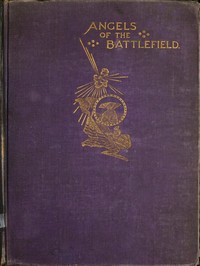
Angels of the Battlefield by George Barton
George Barton pulls back the curtain on the American Civil War to show us a side often left in the shadows: the medical corps. This isn't a story of battles and troop movements. It's a ground-level view of the chaos and compassion in the field hospitals, ambulance wagons, and recovery wards.
The Story
The book introduces us to the people who became the war's emergency responders. We meet figures like Dorothea Dix, who organized the first female nursing corps, and Clara Barton, who famously founded the American Red Cross. But it also shines a light on countless lesser-known volunteers. The narrative follows them from the early, disorganized days of the war—where supplies were scarce and infection was a death sentence—to the gradual, hard-won improvements in care. We see them navigating horrific conditions, battling bureaucratic red tape, and proving that women could handle the immense physical and emotional toll of wartime medicine.
Why You Should Read It
This book stuck with me because it makes history feel immediate and personal. These weren't distant heroes on pedestals; they were exhausted, determined people making impossible choices. You feel the desperation of trying to save lives with limited tools and the quiet victories of simple comfort. It reframes the entire war. After reading it, you don't just think of Gettysburg as a battlefield, but as a place where thousands of volunteers scrambled to deal with the catastrophic aftermath. Their struggle for recognition and better methods laid the groundwork for modern emergency medicine and nursing.
Final Verdict
Perfect for anyone who loves human-centered history. If you enjoy stories of resilience and unsung heroes more than diagrams of military maneuvers, this is your book. It’s also a fantastic read for anyone interested in medical history or the history of women's roles in society. Just be prepared—Barton doesn't shy away from the grim realities of 19th-century warfare, so it's compelling but not a light read. It gives a voice to the people who spoke softly in the roar of cannons, and that story is powerfully worth hearing.
This text is dedicated to the public domain. It is available for public use and education.
Sarah Gonzalez
3 months agoRead this on my tablet, looks great.
Donald Wright
2 months agoThis is one of those stories where it manages to explain difficult concepts in plain English. A valuable addition to my collection.







Daniel Lewis
2 years agoTo be perfectly clear, the emotional weight of the story is balanced perfectly. Exceeded all my expectations.